Hazardous household waste: safe disposal for Seven Sisters flats
If you live in a flat, hazardous household waste can feel awkward in a way that normal rubbish just doesn't. One bottle of old cleaner under the sink, a half-used tin of paint in the cupboard, a battery drawer that somehow keeps growing - and suddenly you have items that need proper care, not a casual trip to the bin store. This guide explains Hazardous household waste: safe disposal for Seven Sisters flats in plain English, with practical steps for small homes, shared entrances, and busy London living.
Truth be told, the biggest challenge is usually not the waste itself. It's figuring out what counts as hazardous, how to store it safely until collection, and how to avoid mixing it with ordinary rubbish. That's where things can get messy, or worse, unsafe. Below you'll find a clear, realistic approach you can actually use.
Why Hazardous household waste: safe disposal for Seven Sisters flats Matters
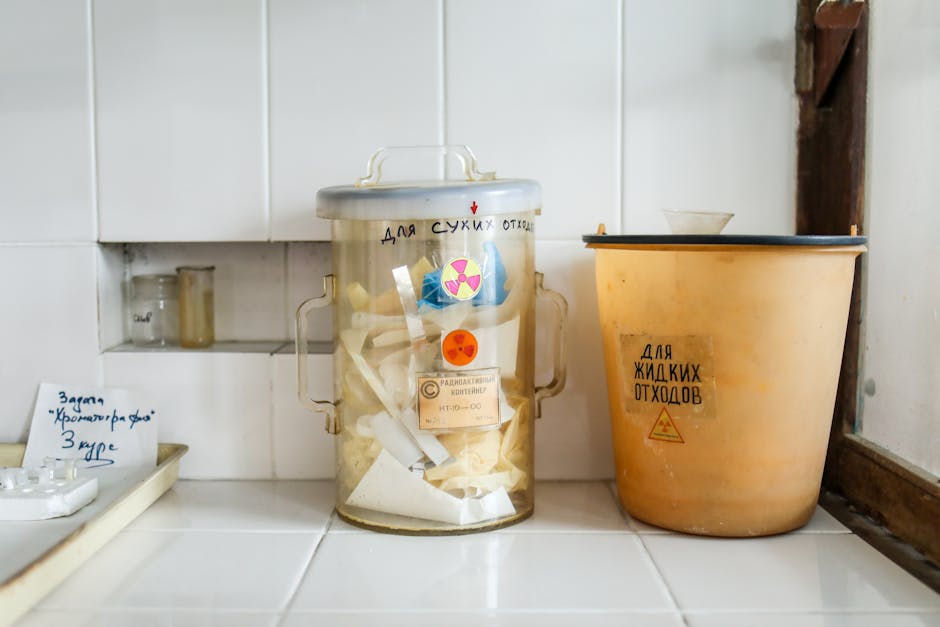
Hazardous household waste is any domestic item that can harm people, damage property, or pollute the environment if it is handled carelessly. In flats, that risk can be amplified by tight hallways, shared bins, lift access, neighbours' children, and the simple fact that space is limited. A leaking bottle of bleach is one thing in a house with a utility room. In a flat, it may sit next to food cupboards, shoes, and cleaning gear. Not ideal.
This matters because unsafe disposal is easy to overlook. A cracked aerosol can in a kitchen drawer. A loose battery in a recycling caddy. A pot of old paint left in a communal refuse area. These are the kinds of things people mean to deal with later, then later becomes next month. Meanwhile, the risk sits there quietly.
There is also a practical side. Good disposal keeps storage tidy, reduces smells and leaks, and makes moving day, deep cleaning, or a flat clearance far less stressful. If you are planning a flat clearance service, separating hazardous items early is one of those small jobs that saves a lot of faff later.
Key point: in flat living, safe disposal is not just about compliance. It is about keeping shared spaces calm, clean, and genuinely safe for everyone in the building.
Table of Contents
- Why Hazardous household waste: safe disposal for Seven Sisters flats Matters
- How Hazardous household waste: safe disposal for Seven Sisters flats Works
- Key Benefits and Practical Advantages
- Who This Is For and When It Makes Sense
- Step-by-Step Guidance
- Expert Tips for Better Results
- Common Mistakes to Avoid
- Tools, Resources and Recommendations
- Law, Compliance, Standards, or Best Practice
- Options, Methods, or Comparison Table
- Case Study or Real-World Example
- Practical Checklist
- Conclusion
- Frequently Asked Questions
How Hazardous household waste: safe disposal for Seven Sisters flats Works
In practice, safe disposal follows a simple pattern: identify the item, keep it separate, store it securely, and use the right collection route. That sounds straightforward, and mostly it is. The complication comes from the variety of items people keep in kitchens, bathrooms, balconies, cupboards, under-sink areas, and utility corners.
Typical hazardous household waste in flats may include:
- Old paint, varnish, and solvents
- Bleach, drain cleaners, oven cleaners, and similar chemicals
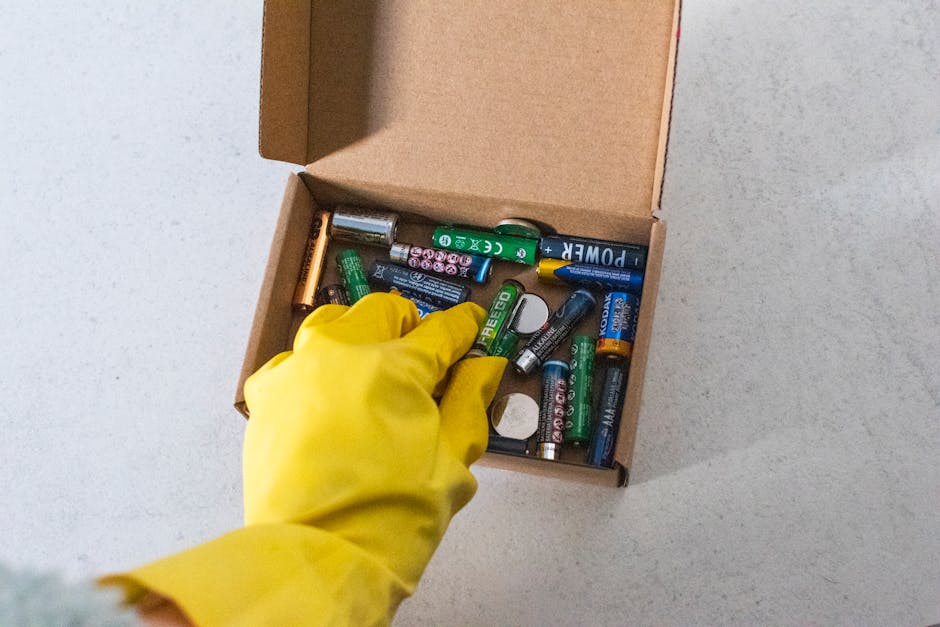
- Batteries, especially loose or damaged ones
- Aerosols and pressurised cans
- Fluorescent tubes and certain lamps
- Electrical items with damaged casings or leaking components
- Medicines or sharps that need specific handling
- Fuel, oil, or chemical residues from hobby or DIY use
Some of these items are hazardous because they are flammable. Some because they are corrosive or poisonous. Others because they can leak metals or chemicals. You do not need to memorise every category. A simple rule works better: if the item is labelled with warnings, smells strongly, leaks, is pressurised, or seems unsafe to throw into general waste, pause and treat it carefully.
For Seven Sisters flats, the building layout matters too. If you have narrow stairwells, limited outdoor storage, or shared bin rooms, the handling plan should be conservative. That means using sealed containers, keeping lids tight, and not leaving items in common areas where they could be knocked over or mistaken for normal rubbish.
Most people benefit from a planned disposal day rather than a vague "I'll sort it at some point" approach. Funny how that works, isn't it?
Key Benefits and Practical Advantages
Safe disposal brings several benefits beyond simply doing the right thing. Some are obvious, some sneak up on you later.
- Reduced risk of leaks and fumes: Sealed, separated items are less likely to cause smells, stains, or chemical exposure.
- Safer communal areas: Shared hallways and bin stores stay clearer when hazardous waste is not left lying around.
- Less stress during tidy-ups: Once dangerous items are identified, the rest of the clear-out becomes much easier.
- Better recycling outcomes: Hazardous items can contaminate recyclable material if mixed in accidentally.
- Cleaner moving or refurbishment projects: If you are redecorating, decluttering, or replacing furniture, hazardous waste should be removed first.
There is also a bit of peace of mind in it. You know that sharp batteries are not rolling around in a drawer. You know the half-empty cleaning products are not waiting to spill in a hot cupboard. That makes day-to-day life feel more under control, which, in a flat, is no small thing.
For residents already thinking about broader household sorting, a home clearance or house clearance can be a sensible next step, especially where hazardous items are mixed in with general clutter.
Who This Is For and When It Makes Sense
This guidance is for anyone in a flat who wants to handle hazardous household waste properly without turning it into a major project. That includes tenants, landlords, homeowners, property managers, and people helping a relative clear a flat. It is especially useful if you are short on storage space or sharing a building with several other households.
It makes sense in a few common situations:
- You are spring cleaning and uncover old products in cupboards
- You are moving out and sorting what can go, what should stay, and what needs special disposal
- You have a child-safe home and want to remove riskier items from the flat
- You are dealing with a deceased estate or long-neglected property
- You are doing DIY and end up with paint tins, solvents, and used materials
If the job is bigger than a few household items, it may be easier to arrange a broader collection through a waste removal service rather than trying to move everything yourself in one go. To be fair, one old paint tin is manageable. Ten paint tins, two broken lamps, and a mystery bottle that has been in the cupboard since who knows when? That's a different conversation.
This also applies when a flat is being emptied before sale or rental. Hazardous items are small, but they can slow down the entire process if left until the end.
Step-by-Step Guidance
Here is a practical way to approach safe disposal in a flat without overcomplicating it.
- Do a careful sweep of storage areas. Check under sinks, bathroom cabinets, utility spaces, balcony cupboards, and boxes in wardrobes or loft-like storage nooks.
- Separate suspicious items immediately. Keep batteries, aerosols, chemicals, and paint apart from ordinary waste.
- Read the label. Look for hazard warnings, flammability notes, corrosive symbols, or "do not mix" instructions.
- Keep containers upright and sealed. If a lid is loose or a bottle is cracked, place it inside a second container if safe to do so.
- Store items away from heat and food. Avoid radiators, windowsills in direct sun, and any place where children or pets could reach them.
- Do not pour liquids down the sink. Even small amounts can be unsafe and may damage plumbing or create fumes.
- Bundle the waste by type. Keep batteries with batteries, lamps with lamps, and chemicals with chemicals.
- Arrange the correct disposal route. Use the most suitable local service or collection method for the item type and quantity.
- Confirm what can be taken together. Some items are fine to collect as part of a larger domestic clear-out, while others may need separate handling.
- Do a final check of the flat. Especially before moving out, make sure nothing hazardous has been left behind in cupboards or on balconies.
A practical note: if you are already clearing old furniture, broken storage, or other bulky items, pairing the job with furniture clearance or furniture disposal can make the whole process much smoother. The less you have to move twice, the better.
Expert Tips for Better Results
Over time, the best results usually come from simple habits, not heroic clean-up days. Small, steady organisation beats one stressful sort-out every time.
1. Keep a dedicated hazard box. A sturdy container for batteries, old chargers, small aerosol cans, and similar items helps stop them drifting into random drawers. Label it clearly. Nothing fancy, just useful.
2. Set a monthly or seasonal check. Every few months, take five minutes to see whether anything unsafe has appeared. It is amazing how quickly one cupboard can become a chemistry set.
3. Don't mix unknowns. If you cannot identify a liquid or powder, leave it separate. Mixing unknown products is where things become risky very fast.
4. Use original containers where possible. If a product is still in its original bottle or tin, disposal is usually easier to manage safely. If it has been decanted into something else, label it carefully.
5. Think about the building, not just the flat. In shared blocks, one spilled cleaner in a hallway can affect neighbours, cleaners, and maintenance staff. The communal space matters.
6. Keep your disposal plan simple. The more complicated the plan, the more likely it is to be delayed. And delayed hazardous waste has a habit of hanging around longer than it should.
Expert summary: the safest approach is usually the least dramatic one - identify, separate, contain, and remove. No drama, no mixing, no last-minute panic.
Common Mistakes to Avoid
Most problems with hazardous waste come from ordinary shortcuts. People are busy, the flat is small, and it feels easier to just "deal with it later". That is understandable. Still, a few mistakes are worth avoiding.
- Putting hazardous waste in general rubbish: This can expose waste handlers and contaminate other material.
- Leaving batteries loose: Loose batteries can short-circuit, leak, or damage other items.
- Storing chemicals near heat: Warmth can worsen leaks, odours, or pressure issues.
- Mixing products together: Even products that seem harmless on their own can react badly when combined.
- Overfilling bags or boxes: Heavy, unstable containers are awkward to move in a flat and more likely to split.
- Forgetting hidden storage spots: People often miss balcony boxes, under-bed drawers, and top cupboards.
- Ignoring damaged packaging: A dented aerosol can or cracked bottle should be treated carefully, not squeezed into the nearest bin.
The other big mistake is trying to be too clever with repackaging. If something is leaking or unstable, make it safer only if you can do so without risk. Otherwise, keep it still and get advice from a suitable waste handler. Honestly, "I put it in an old coffee jar" is not a solution. It just sounds like one.
Tools, Resources and Recommendations
You do not need special equipment to handle most household hazardous waste, but a few basic items make life easier:
- Sturdy gloves for handling dirty or possibly leaking items
- Sealable plastic tubs for grouping small hazardous items safely
- Permanent marker labels to note what is inside each container
- Paper towels or absorbent material for minor surface drips, used carefully
- Strong carrier bags or boxes for transporting sealed items
For larger clear-outs, a managed collection can save time and reduce risk, especially if the flat contains other bulky items too. If you are dealing with a full property sort, consider whether loft clearance or garage clearance is relevant as well, because hazardous items often turn up in those forgotten storage spaces.
It can also help to choose a provider that explains how they handle safety, insurance, and responsible sorting. The more transparent the process, the easier it is for you to trust it. You should be able to understand what happens next without decoding jargon. That is fair enough, really.
Law, Compliance, Standards, or Best Practice
In the UK, household waste handling is shaped by general duties around safe storage, proper segregation, and preventing harm. For residents, the practical takeaway is simple: do not place hazardous items where they can injure people, contaminate other waste, or create a risk in shared communal areas. Where a local authority offers special disposal or collection arrangements, those are often the most suitable route for small quantities of domestic hazardous waste.
Best practice in flats usually means:
- Keeping hazardous waste separate from recycling and general waste
- Preventing leaks, spills, and breakage
- Avoiding storage in shared hallways, bin rooms, or access routes
- Using appropriate collection or disposal methods for the item type
- Checking building rules if you live in a managed block
If you are responsible for a rental flat, managed property, or multiple units, the standard should be a little stricter. You want clear procedures, safe access, and a reliable paper trail if items are removed as part of a wider clearance. That is especially sensible where the flat contains mixed waste after a tenancy change or refurbishment.
For residents who want reassurance around safe working methods and responsible handling, it is worth reviewing a provider's health and safety policy and their approach to insurance and safety. These details are not glamorous, but they matter.
Options, Methods, or Comparison Table
There is more than one way to deal with hazardous household waste in a flat. The right choice depends on volume, risk, access, and how quickly you need the space cleared.
| Method | Best for | Pros | Limitations |
|---|---|---|---|
| Separate household sorting and staged disposal | Small amounts of batteries, aerosols, cleaners, or paint | Low cost, simple, good for ongoing upkeep | Takes time, still needs safe storage and careful handling |
| Part of a flat clearance | Move-outs, probate clearances, deep declutters | Efficient, less lifting, easier to coordinate with bulky items | Not every hazardous item may be suitable for the same collection |
| Full waste removal arrangement | Mixed domestic waste with some hazardous items | Convenient, scalable, reduces the number of separate jobs | May require item checks and advance discussion |
In a small Seven Sisters flat, the staged approach works well if the waste is minor and you are in no hurry. But if you have a packed cupboard, a few damaged containers, and a pile of other things to remove, a more complete service often makes more sense. One job, one plan. Much cleaner.
Case Study or Real-World Example
A common real-world scenario is a one-bedroom flat where the tenant is moving after several years. The kitchen cupboard contains old cleaning sprays, a tin of paint from a past repair, two loose batteries, and a broken lamp. There is also a box in the hallway with random cables, a few chargers, and some knick-knacks that have been sitting there since last winter.
The sensible approach is simple. First, the tenant separates the chemical items from everything else. The aerosols stay upright. The paint tin is checked for damage and kept sealed. The batteries go into a small labelled container rather than bouncing around in a bag. The broken lamp is handled carefully and kept apart from general waste. After that, the remaining clutter can be cleared more easily through a broader flat clearance or household removal service.
What tends to surprise people in situations like this is how much calmer the space feels once the risky items are dealt with. The cupboard smells less sharp. The hallway is easier to navigate. There is less "mental noise", if that makes sense. You stop worrying that someone will knock something over while carrying shopping or a suitcase.
That is often the whole point. Not just getting rid of waste, but making the flat feel liveable again.
Practical Checklist
Use this checklist before disposing of hazardous household waste from a flat:
- Have I checked under sinks, in bathroom cupboards, and in storage boxes?
- Have I separated chemicals, batteries, aerosols, lamps, and damaged electrical items?
- Are all containers sealed, upright, and clearly labelled?
- Are the items stored away from heat, food, children, and pets?
- Have I avoided mixing different products or pouring liquids away?
- Do I know which items need special handling or separate collection?
- Have I planned how to move the items safely through shared areas?
- Have I checked whether a broader recycling and sustainability approach could help with the rest of the clear-out?
- Have I reviewed the provider's terms and conditions before booking anything?
- Is the flat now clear of anything that could spill, leak, or cause harm?
Quick reminder: if you are not sure what an item is, keep it separate and do not guess. Guessing is how small jobs become annoying ones.
Conclusion
Hazardous household waste in Seven Sisters flats does not need to be a headache. Once you know what to look for and how to keep items separate, the whole process becomes much more manageable. The key is to stay calm, stay practical, and treat anything suspicious with a bit of respect. Small flat, shared building, limited space - all the more reason to be careful.
If your waste is part of a larger declutter, move-out, or property reset, it may be worth combining the task with a broader service such as home clearance, flat clearance, or waste removal. The right approach depends on how much you need to move, how quickly you need it done, and how much access you have in the building.
Get a free quote today and see how much you can save.
And if nothing else, give that half-empty cupboard a proper look this week. Future-you will be quietly grateful.
Frequently Asked Questions
What counts as hazardous household waste in a flat?
Common examples include batteries, aerosols, cleaning chemicals, paint, solvents, fluorescent tubes, and damaged electrical items. If it is labelled as harmful, pressurised, corrosive, flammable, or leaking, treat it as hazardous until you know otherwise.
Can I put old batteries in the normal bin?
No, it is better not to. Loose batteries can leak or short-circuit, and they should be kept separate for safe disposal. A small dedicated container is usually the easiest way to store them until removal.
Is it safe to pour leftover cleaner down the sink?
Usually not. Even small amounts can be risky, may create fumes, or may affect plumbing. Keep the product sealed and use an appropriate disposal route instead.
What should I do with old paint tins?
Keep the lids secure, avoid tipping the contents out, and store the tins upright until they can be collected or disposed of properly. If a tin is damaged or leaking, handle it even more carefully and keep it separate.
Can hazardous items go in a flat clearance?
Sometimes, yes, but it depends on the item type, quantity, and condition. A wider flat clearance can be a practical solution when hazardous waste is mixed with furniture, clutter, or move-out rubbish.
What if I find an unknown bottle or powder in the cupboard?
Do not mix it with other waste. Keep it separate, do not sniff it, and do not pour it away. If there is any doubt, treat it cautiously and seek the right disposal route.
How should I store hazardous waste in a small flat?
Use sealed, upright containers, keep them away from heat and food, and store them somewhere stable where they will not be knocked over. In a flat, stability matters more than fancy storage.
Do shared bin stores change how I should handle hazardous waste?
Yes. Shared areas increase the chance of spills, breakage, or accidental contact by neighbours or cleaners. It is best to avoid leaving hazardous items in communal spaces at all.
What is the safest way to move hazardous waste through a building?
Use a sturdy box or tub, keep the items sealed and upright, and move them directly without stopping in corridors or lifts longer than necessary. If the item is damaged or unstable, think carefully before moving it yourself.
How do I know whether I need a waste removal service?
If you have more than a few small items, if the waste is mixed with bulky belongings, or if access in the flat is awkward, a managed waste removal service can save time and reduce risk. It is often the simpler option.
What if I am clearing a flat after a long tenancy or estate situation?
That is a good time to do a full sweep for hazardous items because they are often hidden in cupboards, drawers, or storage boxes. A more complete clearance can make the process less emotionally and practically draining.
Where can I learn more about the company's standards?
You can look at pages such as about us, health and safety policy, and payment and security to understand how the business presents its service standards and customer care. Those details are often the quiet signs of a company that takes the work seriously.