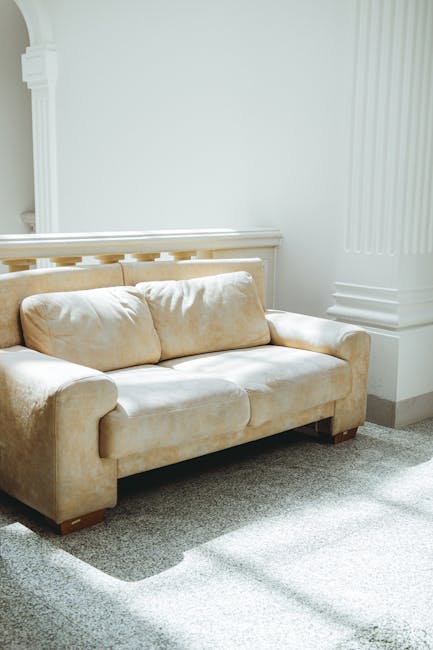
Emergency sofa uplift service for N17 homes
If a sofa has to go now, you do not need a long-winded process, awkward guesswork, or a pile of messages back and forth. You need a practical, fast, and careful Emergency sofa uplift service for N17 homes that gets the item out of the way without turning your hallway into a problem zone. Maybe the furniture is damaged after a leak. Maybe a tenant move-out has gone sideways. Maybe the old three-seater is blocking a room that needs to be used today. Whatever the reason, urgent sofa removal is usually about one thing: restoring order quickly, safely, and with as little stress as possible.
In this guide, we will break down how an emergency sofa uplift works, who it suits, what to check before booking, and how to avoid common mistakes that can cost time or money. We will also cover practical standards, local expectations in London homes, and the small details people often miss until they are standing in a narrow stairwell at 7am. Not ideal, frankly.
For readers who want a trusted provider background as well as the service itself, you can also review the company's background, pricing and quote guidance, and the recycling and sustainability approach before making a decision.
Table of Contents
- Why Emergency sofa uplift service for N17 homes Matters
- How Emergency sofa uplift service for N17 homes Works
- Key Benefits and Practical Advantages
- Who This Is For and When It Makes Sense
- Step-by-Step Guidance
- Expert Tips for Better Results
- Common Mistakes to Avoid
- Tools, Resources and Recommendations
- Law, Compliance, Standards, or Best Practice
- Options, Methods, or Comparison Table
- Case Study or Real-World Example
- Practical Checklist
- Conclusion
- Frequently Asked Questions
Why Emergency sofa uplift service for N17 homes Matters
Emergency sofa uplift is not just a convenience service. In a busy N17 home, it can be the difference between a safe, usable space and a corridor full of blocked movement, trip hazards, and general frustration. A sofa that has split, been stained beyond saving, or is simply no longer wanted can become a genuine nuisance very quickly.
In practical terms, urgency matters because sofas are bulky. They are awkward through tight hallways, heavy at the wrong end, and often too large for a standard lift, terrace staircase, or shared entrance. If you live in a flat above a shop, a converted Victorian property, or a family home with limited storage, leaving an unwanted sofa around is not really an option. Let's face it, it tends to get in the way of everything.
For landlords, letting agents, and homeowners, emergency uplift also helps reduce risk. A damaged sofa left in place after water ingress or a tenancy change can attract odours, mould, or further damage to flooring and walls. In some cases, the room needs to be cleared the same day for repairs, cleaning, or re-letting. That is where a fast removal makes sense.
There is also a wellbeing angle. A cluttered room can feel oddly exhausting. You know that feeling when one large object seems to dominate the entire space? Remove it, and the whole place breathes again. Small win, but a real one.
Expert summary: An emergency sofa uplift is most valuable when speed, safe handling, and minimal disruption matter more than waiting for a standard collection slot.
How Emergency sofa uplift service for N17 homes Works
The process is usually simpler than people expect, even if the situation feels messy. Most emergency sofa uplifts follow a similar pattern: you request help, share a few details, get a cost indication, and arrange prompt collection. The difference between a smooth job and a stressful one is usually in the preparation.
First, the provider needs to know what type of sofa it is. A two-seater, corner unit, sofa bed, recliner, or modular piece may each require different handling. Dimensions matter too, as do access points. A ground-floor pickup with parking outside is a very different job from carrying a heavy sofa down three tight flights with a bend in the staircase. Human bodies notice these things. So do walls.
Next comes the arrival and assessment. A good crew will confirm the route, protect surfaces where needed, and decide whether the sofa can be removed in one piece or needs partial dismantling. This is not over-engineering. It is just sensible. If a frame is too wide for the door, forcing it through can damage plaster, skirting boards, or the item itself.
Once the path is clear, the uplift team removes the sofa from the room, takes it through the property with care, and loads it for onward handling. Depending on the provider and the condition of the sofa, it may be directed toward reuse, recycling, or disposal. The key point is that the furniture leaves your space without unnecessary delay.
If you are organising this on behalf of someone else, perhaps a tenant, relative, or property manager, it helps to have a contact person on-site. That little bit of coordination can save a lot of backtracking. Trust me, it really can.
Key Benefits and Practical Advantages
An emergency uplift service is not just about getting rid of a sofa quickly. It should also make the job simpler, safer, and more predictable. Here are the main advantages people usually care about.
- Speed: urgent collection helps free up space fast, often same day or at short notice.
- Less disruption: the furniture is removed without you needing to organise a van, lifting help, or disposal plan.
- Safer handling: trained crews are better placed to move bulky furniture through tight spaces without avoidable damage.
- Better for busy homes: ideal when family life, work calls, or tenants mean you cannot spend half a day wrestling with a sofa.
- Cleaner turnaround: useful after decorating, an exit clean, a water leak, or a room reset.
- More predictable outcome: instead of improvising, you have a clear plan and a clear finish line.
There is another benefit that gets overlooked. Good uplift services help avoid the classic "we'll sort it next weekend" loop. You know the one. Weeks later, the sofa is still there, and now everyone has just learned to step around it. An emergency service breaks that cycle fast.
If you are comparing providers, it is worth checking how they handle insurance and safety expectations as well as the practical side of health and safety policy details. A quick job should still be a careful job.
Who This Is For and When It Makes Sense
This service is useful for a surprisingly wide mix of people. Some need it because of a genuine emergency. Others simply need a fast, no-fuss solution and do not have the time or equipment to do it themselves. Both are valid.
Homeowners
If a sofa has been water-damaged, infested, torn, or replaced unexpectedly, homeowners often need it gone immediately to make room for repairs or new furniture. In smaller N17 properties, one oversized item can stop an entire room being used properly.
Tenants and flatmates
End-of-tenancy deadlines have a funny way of arriving all at once. If a landlord has asked for furniture removal before checkout, or a room needs clearing for cleaning, an emergency uplift can keep everything on track.
Landlords and letting agents
Turnarounds between tenancies are usually tight. A sofa left behind after a move-out can hold up cleaning, maintenance, or viewings. Fast removal helps reduce void periods and keeps the property presentable. No drama, just logistics.
Families dealing with damaged furniture
Accidents happen. Drinks spill, pets scratch, springs give way, sofas sag at the worst possible moment. If the furniture has become unusable or unsafe, quick uplift is often the sensible call.
People helping older relatives
Sometimes the sofa is simply too heavy or awkward for family members to handle safely. In those cases, hiring help is not laziness; it is common sense.
Emergency uplift also makes sense when a sofa is blocking a route, especially near entrances or shared hallways. Those little pinch points become a headache fast if left unresolved.
Step-by-Step Guidance
If you want the process to go smoothly, this is the simplest way to approach it. Nothing fancy. Just practical steps that reduce surprises.
- Identify the sofa type and condition. Note whether it is a standard sofa, sofa bed, corner unit, or recliner. Mention if it is damaged, damp, or partially dismantled already.
- Measure access points. Check the width of doorways, stairwells, and hallways. If the sofa was difficult to get in, it may be difficult to get out.
- Clear the route. Move small furniture, shoes, bins, plant pots, and anything else that might catch on the way out. Small detail, big difference.
- Choose a realistic time window. If parking is limited or the road is busy, mention it early so the crew can plan properly.
- Ask about lifting and dismantling. Some sofas can be taken out intact, others need careful breakdown first. Better to know before the team arrives.
- Confirm what happens next. Ask whether the sofa will be reused, recycled, or disposed of, and whether the provider can support responsible handling.
- Keep access details handy. Entry codes, concierge information, or parking notes should be ready. It sounds basic, but it saves time.
- Inspect the space after removal. Check for scuffs, loose screws, or forgotten cushions. A 30-second look now can prevent a silly headache later.
If you want clarity on costs before booking, the pricing and quotes page is a sensible place to start. If you already know the job is urgent, you can also use the contact page to explain the situation and request a fast response.
Expert Tips for Better Results
In our experience, the best emergency uplifts are the ones that are prepared just enough. Not overplanned. Just enough.
- Tell the truth about the access. If there is a tight turn, a narrow landing, or a parking issue, say so. It helps the crew bring the right approach.
- Photograph the sofa and the access route. A few pictures can make quoting easier and reduce confusion on the day.
- Separate cushions and loose parts. This speeds up handling and reduces the chance of bits going missing.
- Check for hidden weight. Sofa beds, waterlogged upholstery, and recliners can be heavier than they look. Much heavier.
- Ask about responsible end-of-life handling. If sustainability matters to you, choose a service that treats reuse and recycling seriously.
- Book early in the day if possible. That gives more flexibility if access turns out to be trickier than expected.
One small thing: if the sofa is damaged by mould, pests, or damp, do not keep moving it around the house repeatedly. That usually spreads the problem. Deal with it once, properly.
And yes, the room will look oddly large afterwards. People are often surprised by that. A sofa eats a lot of visual space.
Common Mistakes to Avoid
A few avoidable mistakes show up again and again. They are not dramatic, but they cause delays and extra cost more often than you would think.
- Underestimating the size: "It's not that big" is a risky phrase when a corner sofa is involved.
- Not checking access: tight stairs, low bannisters, or awkward parking can turn a straightforward uplift into a slow one.
- Leaving the route cluttered: a clear path makes the removal faster and safer.
- Assuming the sofa can be lifted in one piece: some items need dismantling to leave the property safely.
- Waiting too long: if the sofa is causing a safety or hygiene issue, delaying only makes the job more complicated.
- Forgetting building rules: shared blocks and managed properties sometimes require notice, lift booking, or parking arrangements.
There is also a trust mistake: choosing a provider purely because they can come "now" without checking how they work. Fast is useful, yes. But speed without care is just chaos wearing a stopwatch.
Tools, Resources and Recommendations
You do not need specialist equipment yourself, but a few simple tools and resources can make the process smoother. Think of this as the practical prep kit.
- Tape measure: useful for checking hallway width, doorway clearance, and sofa dimensions.
- Phone camera: quick photos help explain access and item condition clearly.
- Basic gloves: handy if you are moving loose cushions or tidying around the sofa before the team arrives.
- Labels or notes: useful if parts have been dismantled or you need to keep accessories together.
- Access details list: parking notes, entry codes, and contact names can save time on collection day.
For added reassurance, it can help to review the provider's insurance and safety information, especially if the property has tight access or fragile finishes. If you want to understand how personal data is handled when you request a quote, their privacy policy and cookie policy are also there for reference.
For many customers, the best resource is simply a clear quotation conversation. Describe the item honestly, mention the access, and ask what is included. It sounds obvious, but a proper five-minute conversation often saves a lot of faffing later.
Law, Compliance, Standards, or Best Practice
Urgent sofa uplift touches on a few practical compliance and best-practice areas, even if most household customers do not need to think about them in detail. The main thing is to use a provider that treats safety, responsible handling, and customer information carefully.
For householders, the key concern is safe removal and lawful disposal or onward handling of unwanted furniture. For landlords, agents, and businesses, the bar is a little higher because there may be tenancy obligations, building access rules, or duty-of-care expectations around the removal process. It is usually wise to document what was removed, when, and by whom, especially at move-out or refurbishment stage.
Providers should also be clear about insurance, team safety, and what happens if access is awkward or damage occurs during removal. A sensible operator will not promise the impossible. If something is too heavy, too wide, or too risky to move as planned, they should say so and adjust the method.
Responsible recycling or reuse should be part of the conversation too. Not every sofa can be reused, of course, but where possible, materials should be handled with care. If sustainability matters to you, look for a provider that explains this openly on its recycling and sustainability page.
For service terms, payment expectations, and the complaints route, the relevant support pages are helpful: terms and conditions, payment and security, and complaints procedure. Boring maybe, but worth checking. These details are what keep a quick job from becoming a messy one.
Options, Methods, or Comparison Table
Not every sofa removal needs the same method. The right option depends on urgency, access, condition, and whether the item can be reused or needs disposal. Here is a practical comparison.
| Option | Best for | Pros | Trade-offs |
|---|---|---|---|
| DIY removal | Very light, easy-access furniture and people with suitable transport | Potentially cheaper if everything is already in place | Heavy lifting, injury risk, transport hassle, disposal uncertainty |
| Scheduled collection | Non-urgent clear-outs and planned property changes | More time to prepare and coordinate access | Not ideal when the sofa needs to go immediately |
| Emergency uplift service | Urgent removals, damaged sofas, end-of-tenancy pressure, blocked spaces | Fast, convenient, safer, and less disruptive | Usually costs more than a standard, non-urgent booking |
| Partial dismantling and uplift | Large sofas, tight stairwells, awkward doorways | Improves access and reduces damage risk | Can take longer than a simple carry-out |
If you have a sofa bed or bulky modular piece, partial dismantling is often the smartest route. It is not glamorous, but it works. And in this business, working well beats looking clever every time.
Case Study or Real-World Example
Here is a realistic example. A family in an N17 terraced home had a three-seater sofa that had suffered water damage after a leak. The room was needed for drying equipment and a decorator was booked for the following morning. The sofa was still workable to move, but it smelled damp and had become too heavy to shift safely without help.
They arranged an emergency uplift and shared a few key details in advance: the sofa dimensions, the narrow hallway, and the fact that parking outside could be limited in the afternoon. That meant the crew could arrive prepared, assess the route quickly, and remove the item without wasting time.
The practical win was not just the furniture leaving the house. It was the room becoming usable again. The leak response could move ahead, the decorator could get started, and the family stopped having to angle themselves around one enormous damp sofa. Sometimes the biggest relief is simply getting the problem out of sight, honestly.
This kind of scenario is common in N17 because many homes combine everyday family use with tight access, shared entrances, or limited storage. The service works best when everyone is honest about the access challenge from the outset.
Practical Checklist
Use this quick checklist before the uplift team arrives. It keeps things calm and reduces the chance of surprises.
- Confirm the sofa type, size, and condition.
- Measure doors, hallways, and stair turns if access is tight.
- Clear cushions, rugs, shoes, bins, and loose items from the path.
- Make sure entry codes, parking notes, or building instructions are ready.
- Ask whether the sofa will need dismantling.
- Check whether the provider explains safety, insurance, and handling clearly.
- Keep a contact phone nearby in case the crew needs quick clarification.
- Review any payment details before the appointment.
- Take one last look for hidden items under cushions and seat gaps.
- After removal, inspect walls, floors, and the route for any marks or missed pieces.
Practical takeaway: the smoother the access, the faster the uplift. The faster the uplift, the sooner your space feels like yours again.
Get a free quote today and see how much you can save.
Conclusion
An emergency sofa uplift service for N17 homes is about more than furniture removal. It is about restoring space, reducing stress, and handling an awkward job with care and speed. Whether you are dealing with a damaged sofa, a move-out deadline, a clear-out, or a room that simply cannot wait, the right service should make the process feel straightforward rather than frantic.
The best results come from clear information, sensible preparation, and a provider that takes access, safety, and responsible handling seriously. If you are ready to move fast, do it with a plan. That is the difference between a rushed job and a proper one.
And once the sofa is gone, breathe for a moment. The room will look bigger, the path will feel open again, and the whole place can settle back into normal life.
Frequently Asked Questions
What counts as an emergency sofa uplift in N17?
An emergency sofa uplift usually means the sofa needs to be removed urgently rather than at a convenient future date. Common reasons include water damage, tenancy deadlines, blocked access, or a sofa that is too damaged to keep in the property.
How quickly can an emergency sofa uplift be arranged?
That depends on availability, access, and the size of the item. Urgent bookings are often handled faster than standard removals, but the exact timing will vary. The more detail you provide up front, the easier it is to set a realistic collection window.
Do I need to move the sofa outside before collection?
No, not usually. In most cases, the team should remove it from inside the property. If access is unusual or the sofa is already in a communal area, mention that when you enquire so the right plan can be made.
Can a sofa be removed from a flat or upstairs property?
Yes, often it can. The main factors are stair width, turning space, lift access, and the sofa's dimensions. Some sofas need partial dismantling to get out safely, especially in older buildings or tight stairwells.
What if the sofa is damaged, mouldy, or waterlogged?
Say so clearly when booking. Damaged items can be heavier, messier, or less safe to handle than they first look. A provider needs accurate information to plan the uplift properly and protect the route through the property.
How should I prepare my home for a sofa uplift?
Clear the path, move fragile items, remove cushions and loose parts, and make sure access details are ready. If parking or entry is tricky, let the provider know in advance. A little prep makes a big difference.
Will the sofa be recycled or reused?
That depends on its condition and the handling arrangements of the provider. If sustainability matters to you, ask how they approach reuse and recycling. Not every sofa can be recovered, but responsible handling should still be part of the service.
Is emergency sofa uplift more expensive than a standard collection?
It often can be, because urgent work usually needs quicker scheduling and more flexible resource planning. The exact cost depends on the item, access, timing, and any dismantling required. A clear quote is the best way to avoid surprises.
What information should I give when asking for a quote?
Share the sofa type, size, condition, access details, floor level, parking situation, and whether the item is damaged or needs dismantling. Honest detail helps the quote match the actual job more closely.
Can I book on behalf of a tenant, relative, or client?
Yes, in many cases you can. It helps to have the relevant access information and a contact number for the person on site. If the property is managed, make sure you understand any building rules or time restrictions first.
What should I check before choosing a provider?
Look for clear pricing guidance, sensible safety information, straightforward payment terms, and a transparent complaints process. If you want to understand the company better first, their about us and terms and conditions pages are worth a look too.
What if my building has awkward access or shared hallways?
Tell the provider early. Shared spaces, tight corners, and limited parking are common in London homes, and they can affect how the uplift is planned. Good communication is usually the difference between a quick job and a frustrating one.
How do I make a complaint if something goes wrong?
Any reputable provider should have a clear route for that. If you need to see how issues are handled, check the complaints procedure page. It is not the fun part, obviously, but it matters.
Is my information kept private when I request a quote?
It should be handled according to the provider's privacy policy. If you want to understand how details are collected and used, the privacy policy and cookie policy provide that information in plain terms.
Where can I check payment and security details before booking?
Look for the provider's payment and security page before confirming anything. That is the sensible place to check how payments are processed and what to expect on the financial side.