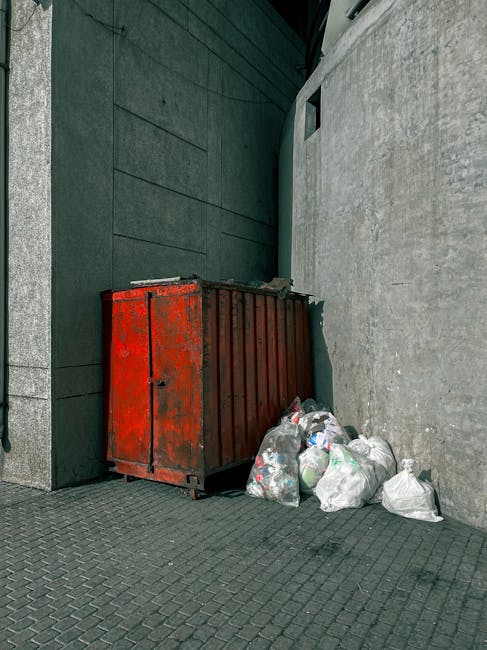
Avoid fly-tipping fines: fast rubbish removal in Seven Sisters
If you've got unwanted waste building up outside a home, shop, office, or rental property, you already know how quickly it can turn from a nuisance into a real problem. Bags split. Boxes attract damp. Loose rubble spreads. And in Seven Sisters, where streets are busy and space is tight, an unattended pile can draw the wrong kind of attention very fast.
This guide explains how to avoid fly-tipping fines with fast rubbish removal in Seven Sisters, what proper clearance looks like, and how to choose a reliable service without overpaying or creating extra hassle for yourself. Whether you're dealing with a one-off household clear-out, end-of-tenancy waste, a shop refit, or office clutter, the key is simple: remove waste quickly, document it properly, and use a responsible carrier who knows what they're doing. Sounds basic, but in practice, that's where people trip up.
To make things easier, we'll cover the legal and practical side, give you a step-by-step approach, and show you what to check before you book. If you need wider company information as you compare providers, you can also review the site's pricing and quotes, insurance and safety details, and recycling and sustainability approach.
Why Avoid fly-tipping fines: fast rubbish removal in Seven Sisters Matters
Fly-tipping is not just an eyesore. It can become a liability. When waste is dumped illegally or left in a way that encourages dumping by others, the property owner, landlord, business operator, or person responsible for the waste can end up dealing with complaints, enforcement action, or avoidable costs. In a dense part of London like Seven Sisters, where pavements, rear access points, shared yards, and commercial frontages are all close together, waste that sits for too long becomes a magnet for trouble.
To be fair, most people don't set out to do the wrong thing. They're trying to sort a move, clear a unit, or get rid of old furniture after a busy week. The issue is usually delay. One pile becomes two. Rain soaks the cardboard. A passer-by adds more rubbish. Suddenly, you've got a messy situation that could have been handled in a single collection.
Fast removal helps because it reduces the window in which waste can be misused, damaged, or reported. It also improves the impression your property gives off. If you manage a rented flat, a small business, or a work site, that matters. People notice the smell, the litter, the view from the pavement. Little things, but they count.
There's another reason this topic matters: responsible disposal is not just about getting waste out of sight. It's about making sure it goes somewhere proper. If you hand over rubbish to the wrong person, you may still face questions later. That's why reputable providers put such focus on traceability, safety, and disposal routes. If you want to understand that side in more detail, the company's health and safety policy and modern slavery statement can help show the standards behind the service.
Key takeaway: the fastest way to reduce fly-tipping risk is not to "deal with it later". It's to clear waste promptly, use a legitimate carrier, and keep basic records of what was removed and when.
How Avoid fly-tipping fines: fast rubbish removal in Seven Sisters Works
Fast rubbish removal is usually straightforward, but the better services make the process even easier. In practical terms, you identify the waste, share a clear description or photos, agree a collection time, and have it removed by a team that can load it safely and dispose of it through authorised channels. That's the broad outline. The details matter though.
What usually happens step by step
- You describe the waste: This might include bags, mixed household junk, office chairs, broken shelving, packaging, or light builders' waste.
- You get a quote: A decent quote should reflect the volume, weight, access, labour, and disposal costs. If access is awkward or parking is tricky, say so early.
- A collection window is arranged: For urgent jobs, same-day or next-day collection is often the most useful option. In busy London streets, timing can make a big difference.
- The team loads the waste: This is the part people underestimate. Carrying from a back yard, basement, or upper floor is slower than dragging bags from the curb.
- Waste is sorted and removed responsibly: Good operators separate recyclables where possible and keep clear records of the job.
The process may sound simple because, in essence, it is. But simple done well is not the same as simple done badly. One of the most common problems is poor communication about what needs collecting. A "few bags" can turn out to be a van full. A "small amount of office rubbish" can include old desks, monitors, filing cabinets, and a surprising amount of paper. You know how it goes.
In many cases, fast removal is best handled by a service that can also advise on access, safety, and disposal. If you are unsure about what counts as acceptable waste or how your items should be presented, a call to the provider is worth it. And if you need clarity on payment and what happens after booking, the site's payment and security information is a sensible place to check.
Key Benefits and Practical Advantages
There's more to quick rubbish removal than speed alone. The real value is in what speed prevents and what it unlocks.
1. Lower exposure to complaints and enforcement
Loose waste creates visual clutter, blocks paths, and can attract reports from neighbours or passers-by. Removing rubbish quickly reduces the chance that someone else interprets it as abandoned or dumped. In a neighbourhood as active as Seven Sisters, that peace of mind is worth a lot.
2. Cleaner, safer access
Waste around entrances, fire exits, loading bays, and shared corridors can create trip hazards and awkward access problems. If you've ever had to step around stacked bags while carrying furniture, you'll know it's not just inconvenient. It's clumsy and risky.
3. Better first impressions
For landlords, shop owners, letting agents, and office managers, appearance matters. A tidy exterior suggests control and care. A cluttered one suggests the opposite. Fair or not, people judge fast.
4. Less stress during moves and clear-outs
When rubbish is removed quickly, the whole job moves forward. That old sofa doesn't sit in the hall for another week. The office doesn't keep feeling half-finished. You can actually get on with life.
5. More responsible disposal
Reputable teams should aim to reuse or recycle where suitable and dispose of residual waste properly. If sustainability is part of your decision-making, the provider's recycling and sustainability page is worth a look. It helps you understand how waste is handled rather than just where it ends up.
Who This Is For and When It Makes Sense
Fast rubbish removal is not just for huge clear-outs. Honestly, some of the best reasons to book it are fairly ordinary.
- Homeowners clearing lofts, sheds, garages, or garden waste
- Tenants who need to leave a flat clean and avoid leaving extra rubbish behind
- Landlords between lets, especially after a quick turnover
- Estate and letting agents dealing with post-move clutter or abandoned items
- Shop owners handling packaging waste, old fittings, or display materials
- Office managers removing desks, chairs, filing, and general business waste
- Tradespeople who need light builders' waste cleared promptly after a job
It also makes sense when access is limited. In Seven Sisters, not every property has a generous driveway or easy loading space. Some jobs need careful timing, a small crew, and a vehicle that can get in and out without fuss. That's where local experience helps. A provider used to London streets tends to understand parking, neighbours, and the difference between a quick collection and an awkward one.
If you're comparing providers for a business or office project, the main site at Office Clearance Seven Sisters is a useful starting point for service context, while getting a quote can help you judge whether the job is best priced as a small load, a mixed load, or a larger clearance.
Step-by-Step Guidance
If you want the smoothest outcome, don't treat rubbish removal as a last-minute panic job. A little preparation saves time, money, and a lot of back-and-forth.
Step 1: Identify what needs to go
Walk through the property or site and separate the items into rough groups: general rubbish, bulky items, recyclable materials, and anything that may need special handling. If you're clearing a room, take photos before you start moving things around. That helps with quoting and avoids surprise additions later.
Step 2: Check access and timing
Can a van stop nearby? Is there a stairwell? A narrow lane? A shared entrance? Mention these details early. A collection that looks simple from the front can become much slower if there's no easy loading point.
Step 3: Choose a legitimate waste carrier
This is non-negotiable. Make sure the provider is clear about what they collect and how they dispose of it. If anything feels vague, ask more questions. A proper operator should be happy to explain the process. The insurance and safety information is also useful to review if you want extra reassurance about how the job is handled.
Step 4: Ask about recycling and reuse
Where possible, items should be sorted for reuse or recycling. That can include metals, some woods, cardboard, office furniture, and certain electrical items. Not everything is recyclable, of course, but good sorting makes a difference.
Step 5: Confirm pricing and payment
Check how the quote is structured. Is it by volume, labour, or access conditions? Are there any extra charges for stairs or heavy lifting? Clear pricing avoids frustration later. The provider's pricing guidance should help you understand the format before you book.
Step 6: Keep a record
After collection, keep your invoice, correspondence, and any confirmation of the work completed. If a question is ever raised, simple records can be very helpful. Nothing dramatic, just sensible admin. A folder in your email is enough most days.
Step 7: Finish the area properly
Once the rubbish is gone, do a quick sweep or vacuum. Check corners, behind doors, and around skirting. It's the last five minutes that often make the biggest visual difference. Slightly dull, yes, but worth it.
Expert Tips for Better Results
Here's where a few practical habits can save time and reduce risk. These are the kinds of things people only learn after a couple of awkward jobs.
- Group items by type before collection. Mixed waste is harder to sort and can take longer to price accurately.
- Be honest about bulk. A "few bags" that turn out to be twenty is nobody's favourite surprise.
- Take access photos. A picture of the front, side passage, rear yard, or stairs can make quoting much easier.
- Keep valuable items separate. It sounds obvious, but small things get mixed into waste all the time.
- Ask how the provider handles restricted items. Some materials need special disposal routes, and a reputable team will say so plainly.
One helpful local trick: if collection time matters, plan around street activity. Early mornings can be calmer in some parts of Seven Sisters, while lunchtime can be awkward if parking is tight. Not always, but often enough to matter. A good provider will usually help choose a sensible slot.
If you're arranging a business clearance, also think about data-sensitive items and internal security. Waste removal should not mean throwing away important paperwork carelessly. Even a small office sometimes forgets how much confidential material builds up in storage corners. Happens all the time.
Common Mistakes to Avoid
Most problems with rubbish removal come from a few repeated mistakes. Avoid these, and you're already ahead.
Leaving waste out too long
This is the big one. The longer waste sits, the more likely it is to be reported, blown around, or added to by someone else. If your aim is to avoid fly-tipping fines, delay is your enemy.
Using an unverified collector
Cheap is not the same as compliant. If someone offers to take your rubbish without clear details, paperwork, or a proper business trail, pause. Fast removal is only useful if it's legitimate.
Underestimating access issues
Basements, top floors, tight stairwells, no parking, locked gates. All manageable, but only if the provider knows in advance. Surprises slow things down and can affect the price.
Mixing hazardous or awkward items without asking first
Paints, solvents, fridges, batteries, and some electrical items may need different handling. Don't assume they can be treated like general rubbish. Ask first. Saves trouble later.
Forgetting that the property owner may still be questioned
If waste is dumped or left incorrectly, responsibility can become a complicated issue. That is why documentation and a reputable carrier matter so much. A tidy receipt and clear service trail are not glamorous, but they help.
Tools, Resources and Recommendations
Good rubbish removal is supported by a few simple tools and habits, nothing fancy.
- Phone photos: Best for showing volume, access, and item types before booking.
- Basic inventory list: Jot down what's being removed. It helps both sides avoid misunderstandings.
- Measuring tape: Useful for bulky items like wardrobes, desks, and old sofas.
- Labels or tape: Handy if you want to mark keep, donate, recycle, and remove.
- Email trail: Keep the quote, booking confirmation, and invoice in one place.
For trust-building and practical reassurance, there are a few website pages worth checking before you book. The health and safety policy gives a sense of working standards, while the insurance and safety page helps explain how risk is managed. If you're looking for a simple next step, the quote page is the clearest route for comparing your options.
And if you care about the bigger picture, the recycling and sustainability approach is the right page to review. Waste management should not be only about speed. It should also be about doing the job properly.
Law, Compliance, Standards, or Best Practice
Fly-tipping and waste handling are areas where best practice matters even when the details feel boring. In the UK, waste has to be managed carefully, and the person producing the waste should take reasonable steps to use a lawful carrier and avoid unlawful dumping. That doesn't mean you need to become an expert overnight. It does mean you should be cautious if a collector cannot explain where the waste will go or how they operate.
For most readers, the practical standard is fairly simple:
- Use a known, traceable provider.
- Keep proof of collection and payment.
- Ask about disposal routes for awkward items.
- Do not leave waste where it can be mistaken for abandoned material.
- Make sure the team working on site is insured and follows sensible safety practice.
It's also worth remembering that compliance is not only about avoiding fines. It's about avoiding the messy middle ground where nobody is fully sure who owns the waste, who moved it, or whether it was handed over correctly. That's the bit that causes stress.
Best practice is usually the most boring option, which is exactly why it works. Clear quote, clear collection, clear records, clean exit.
Options, Methods, or Comparison Table
If you're deciding how to clear rubbish in Seven Sisters, the right choice depends on volume, urgency, and the type of waste. Here's a simple comparison to help.
| Method | Best for | Pros | Watch-outs |
|---|---|---|---|
| DIY tip run | Small loads and those with access to a vehicle | Can seem cheap upfront | Time-consuming, parking, loading, and disposal rules can be awkward |
| Skip hire | Longer projects with ongoing waste | Useful for repeated filling over several days | Needs space, permits may be needed, and it can sit outside for a while |
| Man-and-van rubbish removal | Fast clear-outs, bulky items, and mixed waste | Quick, flexible, labour included | Quality varies, so choose carefully |
| Specialist clearance service | Offices, estates, and larger structured jobs | Better for organised, compliant, higher-volume work | May need more planning and a fuller briefing |
For many people in Seven Sisters, a man-and-van style collection or specialist clearance is the sweet spot. It keeps things moving without the hassle of storing a skip out front for days. If the job needs more structure, especially for business premises, a clearer service brief is usually the better call. Common sense, really.
Case Study or Real-World Example
Here's a realistic scenario. A small property manager in Seven Sisters has a flat that's just been vacated. The tenant has removed personal belongings, but there's still a pile of broken furniture, black sacks, old kitchen items, and a few damp cardboard boxes in the hallway. The landlord wants the place ready for photos by the end of the week.
Instead of leaving the waste by the door and hoping it disappears, the manager photographs the pile, checks access to the building, and books a prompt collection. The team arrives, confirms the load, carries everything out carefully, and clears the hallway in one visit. The floor is then swept, the view from the entrance is clean, and the property can be turned around much sooner.
The difference is not dramatic in a cinematic sense. No fanfare. No trumpet blast. But it prevents the kind of lingering mess that attracts complaints, creates a bad first impression, and wastes time. That's the real win.
If the same manager had waited several days, the bags might have split, neighbours might have reported the waste, and the clean-up would have taken longer. Fast action really does pay off here.
Practical Checklist
Use this before booking rubbish removal in Seven Sisters.
- Have I identified exactly what needs to be removed?
- Do I know whether any items need special handling?
- Have I taken photos for quoting and access?
- Is the collection area easy to reach?
- Have I checked the provider's pricing and quote process?
- Do I understand how payment works?
- Has the provider explained safety and insurance?
- Have I asked whether items will be recycled where possible?
- Will I keep a record of the job for my files?
- Have I arranged the collection quickly enough to avoid waste being left out too long?
Practical summary: if your waste is already causing concern, don't wait for it to become a bigger issue. Get it assessed, book a proper collection, and keep proof of what was done. That small bit of organisation can save a lot of hassle.
Conclusion
Avoiding fly-tipping fines is not about being paranoid. It's about acting promptly, using a reputable waste removal service, and making sure the job is handled in a traceable, safe, and sensible way. In Seven Sisters, where space is limited and streets are busy, fast rubbish removal is one of the simplest ways to keep on top of risk while getting your property back under control.
The best results usually come from clear photos, honest descriptions, a fair quote, and a provider that respects both compliance and practical reality. If you do that, you're far less likely to end up with waste hanging around, complaints following behind it, or extra stress you never needed in the first place. Honestly, that's the whole point.
Get a free quote today and see how much you can save.
And if the site experience matters to you as well, you can also review the accessibility statement and complaints procedure for extra confidence before you book. Small things, but they say a lot about how a business works.
Frequently Asked Questions
What counts as fly-tipping in everyday terms?
In simple terms, fly-tipping is the illegal dumping of waste, or leaving waste in a way that is not properly authorised. That can include bags, furniture, rubble, or mixed rubbish left in the wrong place. If in doubt, treat it as something that should be removed promptly and through a lawful route.
How can fast rubbish removal help me avoid fines?
Quick removal reduces the chance that waste will be reported, added to, or mistaken for abandoned material. It also helps you use a legitimate carrier before a small pile turns into a bigger problem. Speed is not everything, but it helps a lot.
Do I need proof that my waste was collected properly?
Yes, keeping a record is sensible. Save your quote, invoice, and any booking confirmation. If questions come up later, those details can show that you arranged collection through a proper service.
Can a rubbish removal team take mixed household waste?
Usually, yes, as long as the provider accepts that type of waste and you describe it honestly. Mixed loads can include general junk, furniture, and packaging. If you have anything unusual, mention it before booking so there are no surprises.
How quickly can rubbish be removed in Seven Sisters?
That depends on the provider, the volume of waste, access, and the time of booking. Some collections can be arranged quickly, especially for straightforward loads. If you need it done urgently, say so from the start.
Is cheap rubbish removal always a bad idea?
Not always, but very low prices should make you ask questions. A proper service should still cover labour, transport, and lawful disposal. If a quote seems too good to be true, it probably needs checking.
What should I do if I have bulky items like sofas or desks?
List them clearly and, if possible, provide photos and rough measurements. Bulky items can affect labour and vehicle space, so it helps the provider quote accurately. A sofa on paper sounds simple; in a tight stairwell, less so.
Do I need to sort recyclable items before collection?
It's helpful, but not always required. Many providers sort waste as part of their process. That said, separating obvious recyclables can make collection and disposal more efficient.
What if the access to my property is difficult?
Tell the provider early. Narrow stairs, rear access, basement storage, or limited parking all affect how the job is planned. Good communication usually solves this before it becomes a problem.
Is rubbish removal suitable for business premises?
Yes. It's often a practical option for offices, shops, and other commercial spaces that need a quick clear-out. It can be especially useful when time is tight and you need the area usable again without delay.
How do I know if a provider is trustworthy?
Look for clear pricing, transparent contact details, sensible safety information, and a straightforward explanation of how waste is handled. Pages like health and safety, insurance and safety, and recycling and sustainability can help you judge whether the service is professionally run.
What's the best first step if waste is already building up outside?
Take a clear photo, note what needs removing, and request a quote as soon as you can. The quicker you act, the easier it is to prevent the situation from escalating. That first step is often the most useful one.
Can I just leave rubbish out and hope it gets collected later?
It's better not to. Unattended waste can attract complaints or even more dumping. If you want to avoid fly-tipping fines and hassle, arrange a proper collection rather than leaving it exposed.